Why Certifications Matter in California
In a state renowned for its environmental leadership, California consumers approach organic mattresses with a particular scrutiny. Certification marks are not mere badges; they are commitments about the materials, processing, and end products that meet stringent standards. For Californians, certifications serve as a bridge between global textile norms and the state's own emphasis on transparent, non-toxic home goods. The right label helps buyers verify that the organic claim is not a marketing phrase but a tested standard backed by documented practices.
Beyond personal health, California regulation has cascading effects on labeling, disclosures, and consumer rights. The state’s progressive policies around air quality, chemical management, and sustainability create an ecosystem in which trusted certifications are valued by both consumers and retailers who aim to align with local expectations.
Key Certifications: What They Mean and Why They Matter
Understanding the major certifications is essential before making a purchase. Three of the most referenced labels in the organic mattress space are GOTS, GOLS, and Oeko-Tex. Each certification has a distinct scope, certification body, and chain-of-custody requirements. Here's a concise primer to orient your reading:
- GOTS (Global Organic Textile Standard) — Focuses on organic fibers and overall textile processing. A GOTS certificate ensures organic content and environmentally responsible manufacturing practices, including restricted chemicals and social compliance. In California, GOTS is often encountered on organic cotton and wool components used in mattress covers, pads, and some textiles that accompany the mattress.
- GOLS (Global Organic Latex Standard) — Specific to natural latex products. When a mattress proclaims GOLS certification, it indicates that the latex component meets rigorous organic content and production standards, including low-emission processing and fair labor practices. In the California market, latex layers and cores bearing GOLS can be a differentiator for comfort and sustainability.
- Oeko-Tex — A broader safety standard focusing on testing for harmful substances. Oeko-Tex certifications may apply to fabric surfaces, coatings, foams, and textiles used within a mattress system. In California, this label helps reassure buyers about low chemical exposure, especially in urban indoor environments with high concerns about air quality and indoor pollutants.
Step-by-Step: How to Verify Labels
Label verification is a multi-step process that combines direct manufacturer communication with independent research. The following steps are practical and widely applicable in California’s consumer marketplace:
- Request Documentation — Ask for certificates, test reports, and third-party audit results. Reputable brands will provide copies of certificates or direct you to a certification body’s verification portal.
- Check the Certification Body — Verify that the label originates from a recognized, credible body. Look up the body’s official website to confirm the product’s certificate number, validity dates, and scope.
- Review the Chain of Custody — For materials labeled organic, the chain-of-custody proves that organic content has been tracked from raw material to finished product. Request chain-of-custody documentation if available.
- Inspect the Product Component Details — Certifications on a mattress often apply to specific components (latex core, fabric covers, padding). Confirm which parts of the mattress carry the certification and whether the entire unit is certified or just select layers.
- Look for Cross-Validation — Compare claims against other independent sources. Cross-check with the certification body’s database and with consumer protection resources in California that document typical red flags.
- Request Lab Test Results — If feasible, request independent lab test results for chemical content, emissions (VOC levels), and allergen controls. A legitimate certification program may publish or share these data upon request.
- Ask About End-of-Life Compliance — California emphasizes sustainable disposal and recycling. Inquire whether the product and its materials can be responsibly disposed of or recycled within the state’s guidelines.
California-Specific Angles: Brands, Labels, and Rights
California’s market is populated by a blend of national and local brands that seek to align with the state’s environmental standards. When shopping in California, it helps to be aware of these nuances:
- Local brands may reference regionally recognized certifications or claim compliance with state-specific environmental policies. Always verify any state-specific claims with the underlying documentation.
- California consumers benefit from robust consumer protection resources. If a label seems ambiguous or a claim appears dubious, consult state resources or consumer affairs channels that can illuminate whether a certification is authentic and enforceable.
- Transparency and accessibility of documentation are valued. Brands that share easy-to-understand certificates and direct contact channels typically reflect the state’s preference for openness in eco-sleep products.
Three Key Historical Figures Shaping Organic Sleep Thought
To illuminate the broader conversation around organic textiles, sleep health, and environmental ethics, we explore three influential figures from different eras who echo through California’s sustainable storytelling.
Rachel Carson (1907–1964)
Though best known for her work on ocean ecosystems, Carson’s clarion call for a more conscientious relationship with nature seeded a broader ethic of non-toxic, precautionary approaches to consumer goods. Her legacy underpins modern skepticism about chemical additives in textiles and the promise of safer, organic alternatives in everyday life.
Dr. D. Elwood “Del” Epperson (1930s–1990s)
A pioneer in textile safety research, Epperson’s early investigations into allergen exposure and flame retardants shaped how manufacturers approached textiles used in bedding. His work echoed the demand for transparent labeling and safer, more durable organic materials in sleep surfaces.
Dr. Lisa Su (1969–)
A contemporary whose leadership in sustainable materials science informs the evolving standards for eco-friendly latex, cotton, and wool used in mattresses. Su’s research ethos—combining performance with safety—resonates with California’s ongoing emphasis on high-performing, non-toxic sleep products.
Putting Certifications into Practice: A California Buyer's Guide
Armed with a basic literacy in GOTS, GOLS, and Oeko-Tex, California readers can translate labels into confident purchase decisions. Use the following practical checklist as you compare mattresses:
- Identify the scope of the certification: Is it for the entire mattress or only specific components?
- Confirm dates and renewal requirements. Certifications may require periodic revalidations or audits.
- Assess the overall product composition: Organic textiles, latex content, and inner layers all influence the final feel and safety profile.
- Compare with state-level considerations: California’s consumer rights and environmental labeling expectations may influence how brands present their certifications.
A Case Study: Royal-Pedic Natural Latex Quilt-Top Mattress
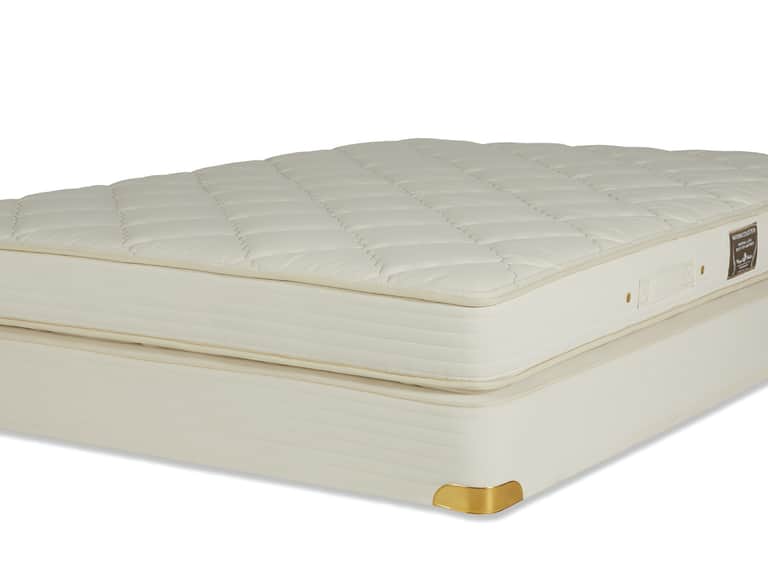
As we traverse the landscape of certified organic sleep, a single example helps illustrate how certification dialogue meets craftsmanship. The Royal-Pedic Natural Latex Quilt-Top Mattress, featuring a latex core wrapped in French wool and cotton with canvas ticking, embodies a lineage of material integrity and artisanal manufacturing. While Royal-Pedic’s lineage is steeped in a particular luxury niche, it also demonstrates how organic materials—latex, wool, and cotton—can converge with traditional craft to create a durable, breathable sleep surface.
Images and product details illuminate how a certified organic mattress can carry multiple layers of assurance: a pure latex core, natural wool for moisture wicking, and a fabric envelope designed to minimize chemical exposure. This blend of materials reflects why California shoppers value not just the presence of certifications, but the tangible, tactile reality of the product’s components. (Product image and description included below.)
The Bottom Line: Verifying Certifications with Confidence
California’s market rewards diligence. By combining knowledge of GOTS, GOLS, and Oeko-Tex with a practical verification process, consumers can confidently select organic mattresses that align with health, environmental, and social values. Certifications are meaningful when they are transparent, accessible, and verifiable—across all layers of the mattress and its packaging. The California consumer stands to gain best by asking for documentation, cross-checking with certification bodies, and choosing brands that demonstrate a commitment to openness and accountability.
Conclusion: A Future of Clear Labels and Healthier Sleep
As California continues to lead in environmental stewardship, the role of credible certification labels will only become more central to the consumer journey. The path to a healthy, organic sleep is paved with labels that endure scrutiny and with a marketplace that rewards transparency. By embracing a rigorous approach to certifications, California readers will not only sleep better but will also contribute to a broader culture of responsible, informed, and sustainable living.